
Intro
Next to the choice of raw material, the properties of a sewing thread are determined by the following parameters:
- construction type
- twist
- ply
- cord
While the construction of the yarns individually determines the type of sewing thread, twist, ply, and cord define general construction parameters for all sewing threads. The same applies to embroidery threads.
Sewing thread construction
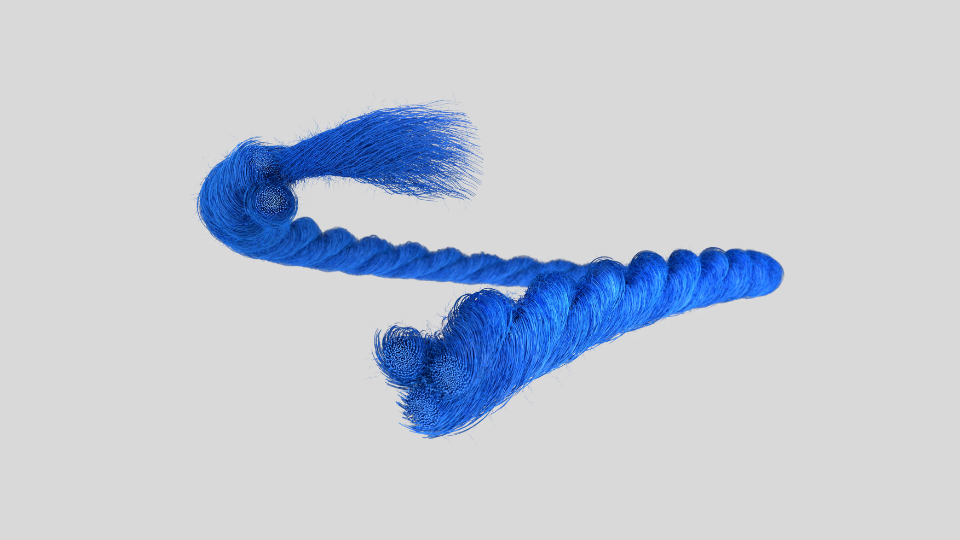
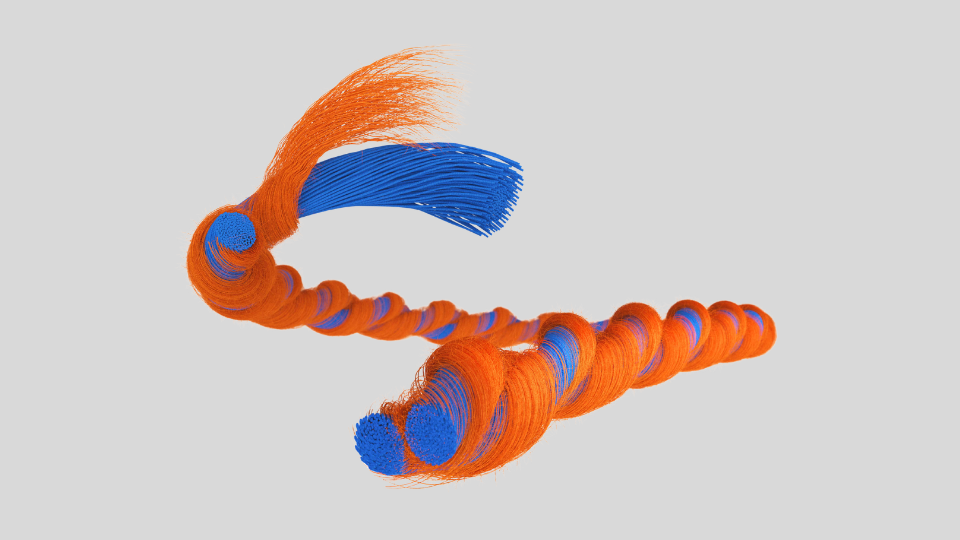
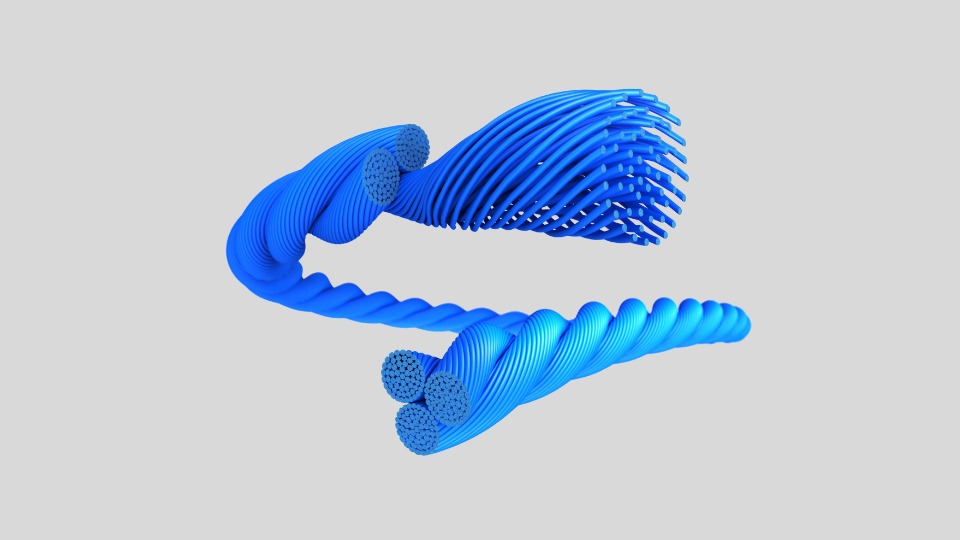
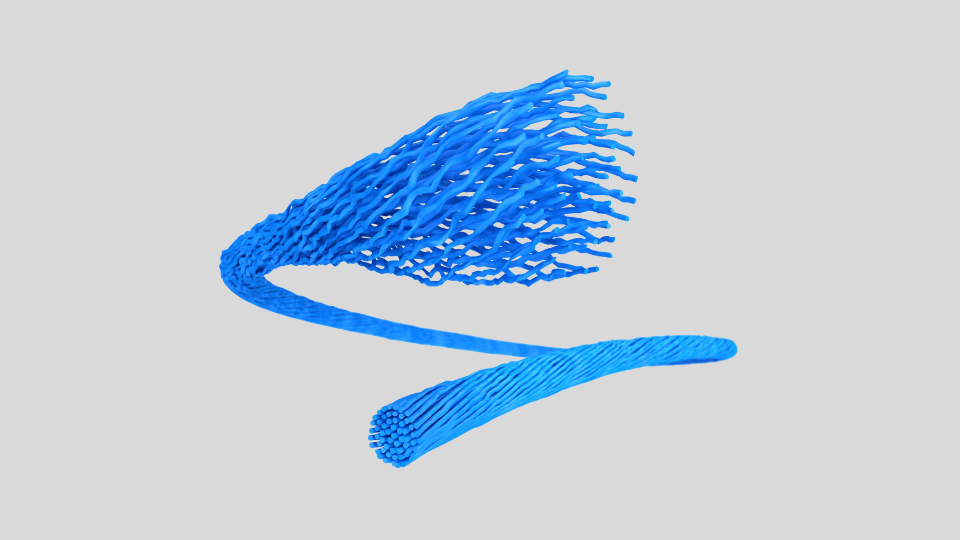
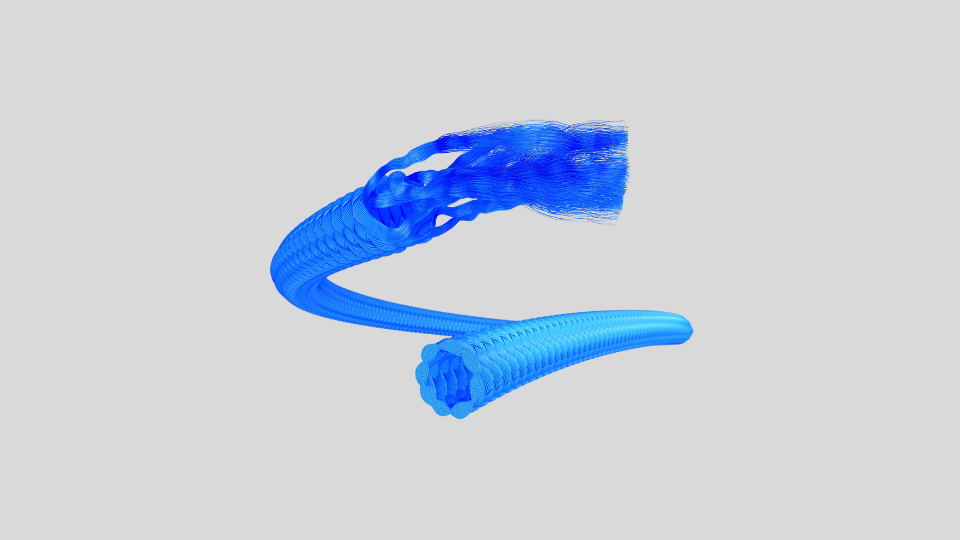
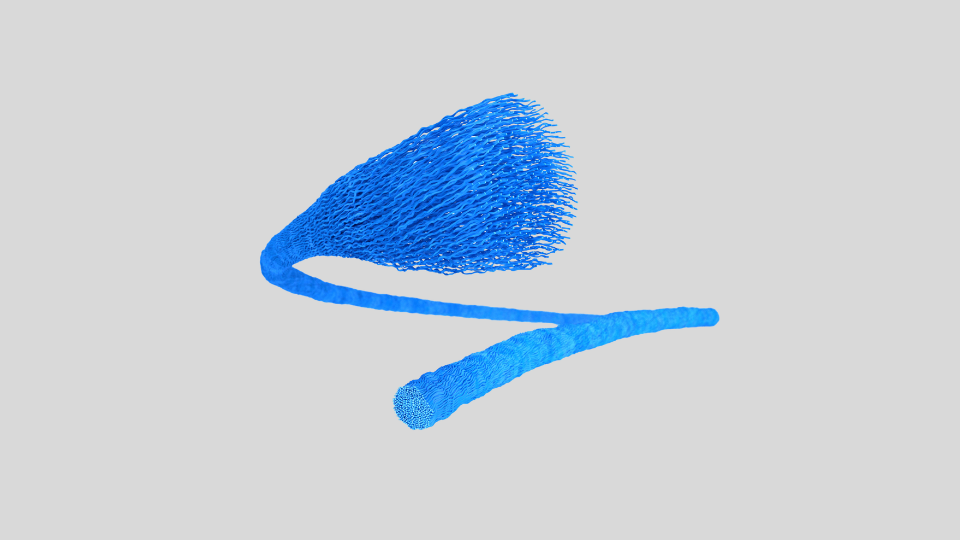
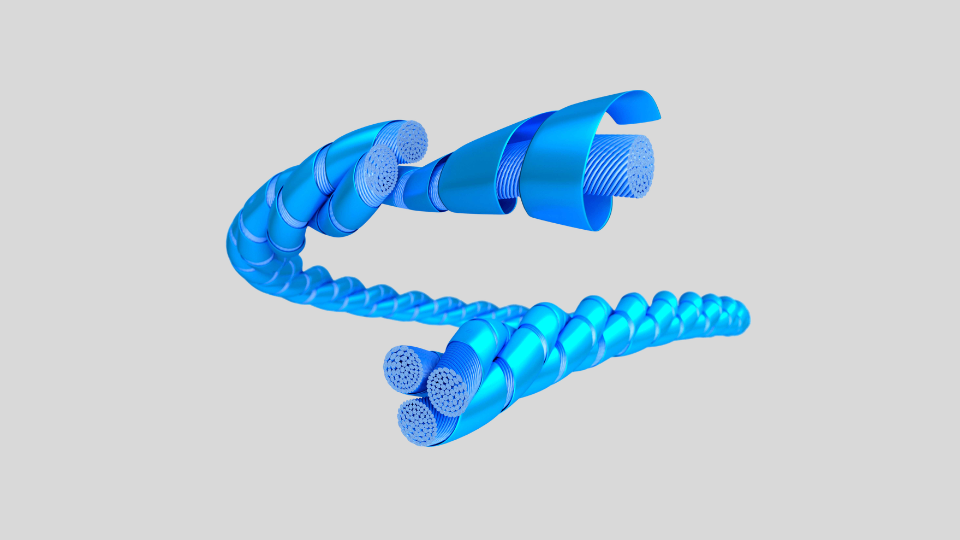
The type of construction is defined by the different processing methods used for the fibres and filaments (staple fibres, smooth multifilaments, monofilaments, textured filaments) and their combination in the fibre composite.
It is important to understand that the construction types are described based on the structure of a single yarn. However, the finished sewing thread usually consists of two or more single yarns that are twisted together.
The following wiki subpages provide a more detailed overview of various types of thread construction.
Twist
Yarns and threads are twisted by turning them around their own longitudinal axis, thereby tightly binding the fibres or filaments together. This compact twist increases strength and thus determines sewing performance.
There are two directions of rotation, which can be easily distinguished by the letters S and Z. Depending on the direction of rotation, the course of the centre bar of the respective letter corresponds to the diagonal of rotation of the yarn or thread.
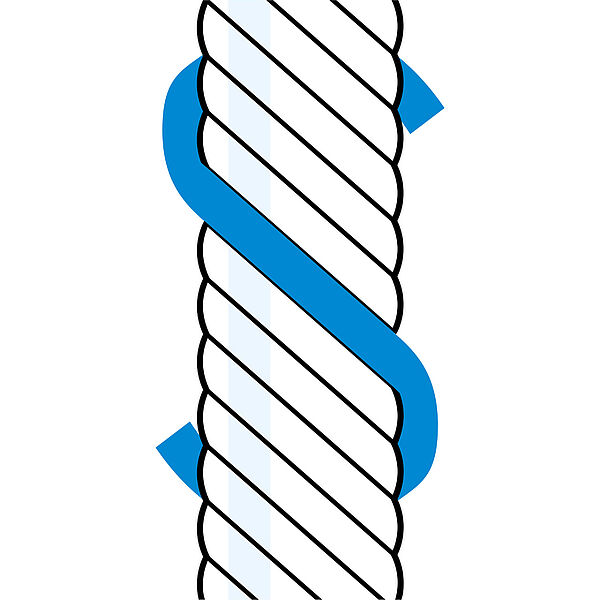

Single yarns are usually twisted in the S direction, while twisted yarns are twisted in the Z direction. To stabilise the sewing thread and ensure flawless sewing performance, it is important that the yarn and twisted yarn have opposite directions of twist. The determination of the twist direction ‘Z’ for twisted yarns and ‘S’ for single yarns is due to the sewing process on standard double lockstitch machines, for which Z-twisted yarns are better suited. Due to the position of the needle and hook and the associated pull-off direction of the needle thread from the needle eye on double lockstitch machines, Z-twisted sewing threads undergo additional twisting during the sewing process, which does not have a negative effect on the sewing process. S-twisted threads, on the other hand, exhibit the so-called untwisting effect, which can lead to an unattractive seam appearance and sewing problems.
The number of twists is very important for optimum sewability and high performance. Sewing threads with too few twists have a low twist count, i.e. they are ‘open’. This has a negative effect on sewing performance. During the stitch formation process, e.g. on double lockstitch machines, the hook can ‘hit’ the open twist, causing the thread to break. Sewing threads with too high a twist tend to curl and have too much ‘liveliness’. Knots and loops can form, leading to sewing problems and even thread breakage.
Coarser yarns or threads have fewer twists than fine ones. The number of twists is adjusted to the respective fineness and the requirements of the sewing process. AMANN sewing threads therefore have a precisely coordinated number of twists with tight tolerances, which is regularly checked as part of quality assurance.
Ply
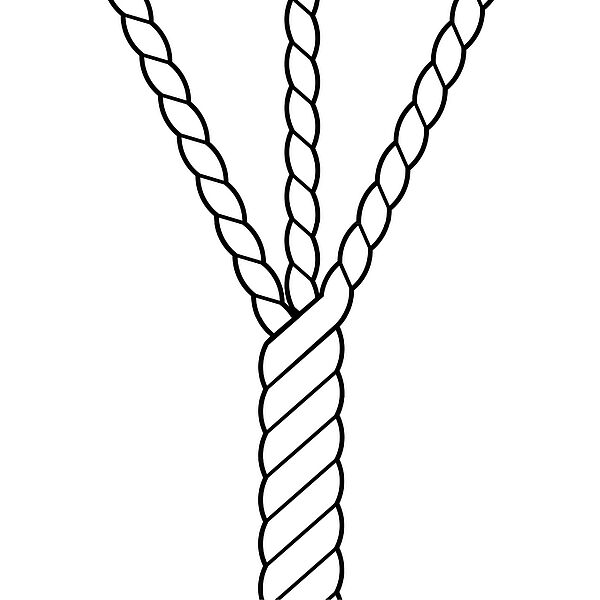
The ply is another characteristic of sewing thread construction and indicates how many single yarns a twisted thread consists of. Most sewing threads are 2-ply or 3-ply, i.e. they consist of 2 or 3 single yarns. Single-ply and multiple-ply twisted threads are rare.
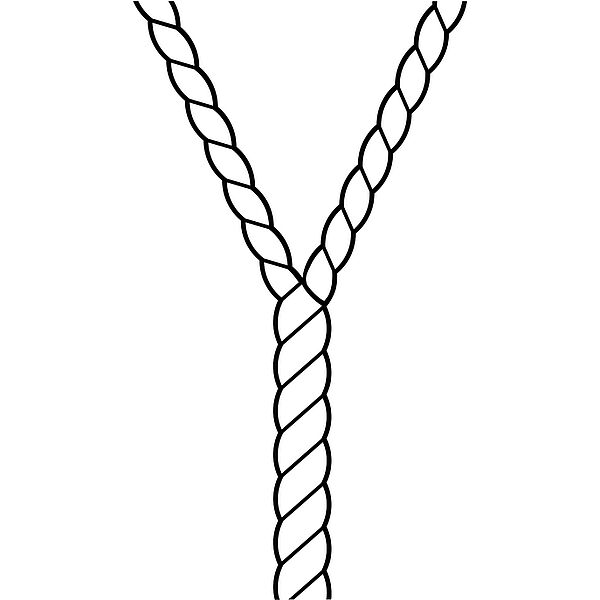
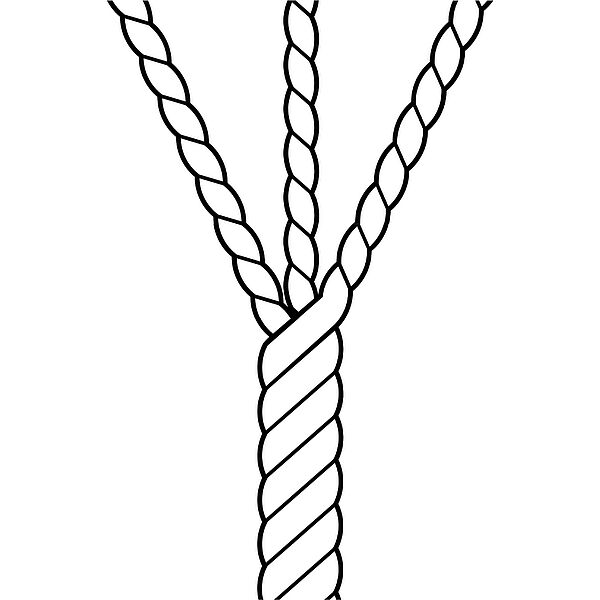
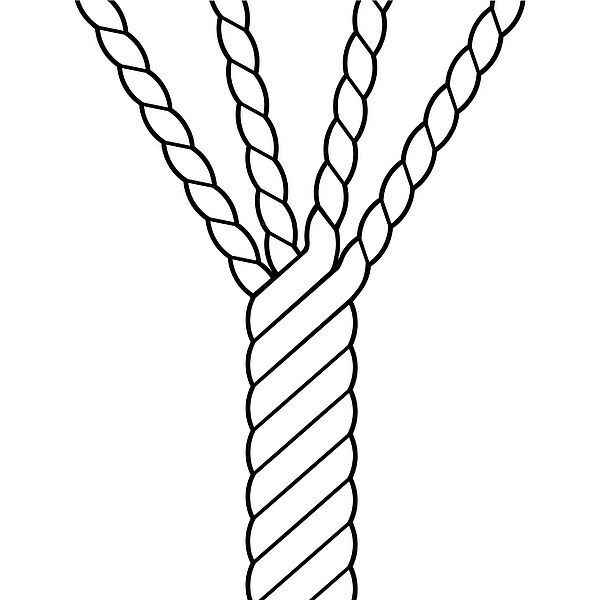
The use of different plies is illustrated in the AMANN range by the example of the polyester/polyester core spun thread Saba:
| Product | Plies (number of single yarns) |
|---|---|
| Saba 8 | 12 |
| Saba 12 | 8 |
| Saba 18 | 6 |
| Saba 30 | 3 |
| Saba 35 | 2 |
| Saba 50 | 3 |
| Saba 80 | 2 |
| Saba 100 | 2 |
| Saba 120 | 2 |
| Saba 150 | 2 |
The ply has an influence on the sewing performance and the appearance of thread. For decorative seams, 3-ply threads are preferred in the coarse thickness range, as their thread cross-section has an approximately round shape. 2-ply threads, on the other hand, usually have a higher twist and are therefore suitable for demanding sewing operations, e.g. multidirectional sewing machines. For this reason, and due to their flat character, 2-ply threads are preferred for machine embroidery.
Comparison of sewing thread cross-sections

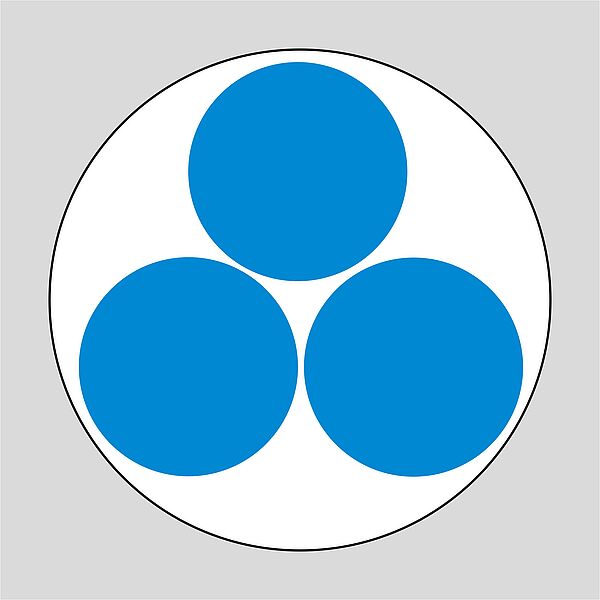
When specifying the sewing thread thickness, the ply can also be included, in the Nm system by adding a slash to the ply number, and in the Tex system by adding a multiplication sign to the number.
Cord
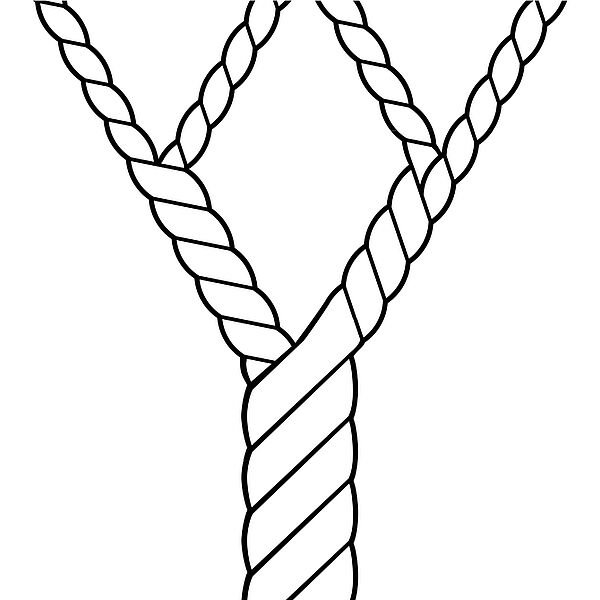
All standard sewing threads are usually single-twist or direct-twist threads. This means that the thread consists of two, three or, in rare cases, four yarns and was produced ‘directly’ from them. In contrast, multi-level or corded threads are made from several yarns. This requires several production steps: from yarn to thread, from thread to corded thread. These yarns are very rare today and are used exclusively in the coarse ticket range when the desired fineness cannot be achieved with the yarn finenesses available on the market.
FAQ
-
The structure of a sewing thread is defined by its construction type, twist, ply and cord. These parameters influence performance, appearance and sewability.
-
Thread construction affects strength, abrasion resistance, elasticity, surface character and behaviour during stitch formation. It directly influences processing reliability.
-
The type of construction refers to how fibres or filaments are processed and combined within a single yarn. The finished sewing thread usually consists of two or more of these yarns twisted together.
-
Smooth constructions tend to reduce friction and allow high-speed sewing, while more textile surfaces may improve seam grip and appearance depending on the application.
-
Staple constructions consist of short fibres twisted together, while continuous filament constructions use endless filaments. This affects strength, surface texture and durability.
-
Twist direction (S or Z) influences how the thread behaves during stitch formation. On standard double lockstitch machines, Z-twisted threads are preferred because they stabilise during sewing rather than untwisting.
-
Too little twist results in an open structure with reduced strength and higher risk of breakage. Too much twist increases liveliness, which can cause curling, knots or sewing problems.
-
The twist level is adjusted according to thread fineness and the requirements of the sewing process. Coarser threads have fewer twists than finer ones.
-
Ply indicates how many single yarns are twisted together to form the finished thread. Most sewing threads are 2-ply or 3-ply constructions.
-
Corded threads are multi-level constructions made in several twisting stages. They are used primarily in very coarse thread sizes when required fineness cannot be achieved otherwise.